When the UK Foreign and Commonwealth Office (FCO) updated its global advisory against ‘all but essential travel’, exempting destinations that no longer pose an excessively high risk for British travellers, many of us were excited at the opportunity to be jetting off overseas!
Wandering around a new destination, soaking up the sun elsewhere and engaging in a different culture is a delightful and gratifying experience. However, as travellers, we must be able to detect and respect the customary code of the cultures in which we are immersing ourselves. After all, this is the least we can do, since the citizens are essentially hosting us in their home!
Below I have outlined some things for us to consider when we are travelling to another country!
Adhere to sustainable tourism.
What does this mean?
Well, sustainable tourism is the concept of travelling somewhere as a tourist and striving to make a positive impression on the environment, society and the economy of the place you are visiting. So, this means absolutely NO LITTERING. Try to shop sustainably and locally when you can, and be sure to recycle as much as possible!
Now for a bit of shameless promotion; my following blog post will discuss sustainable tourism in more depth, so be sure to take a read!
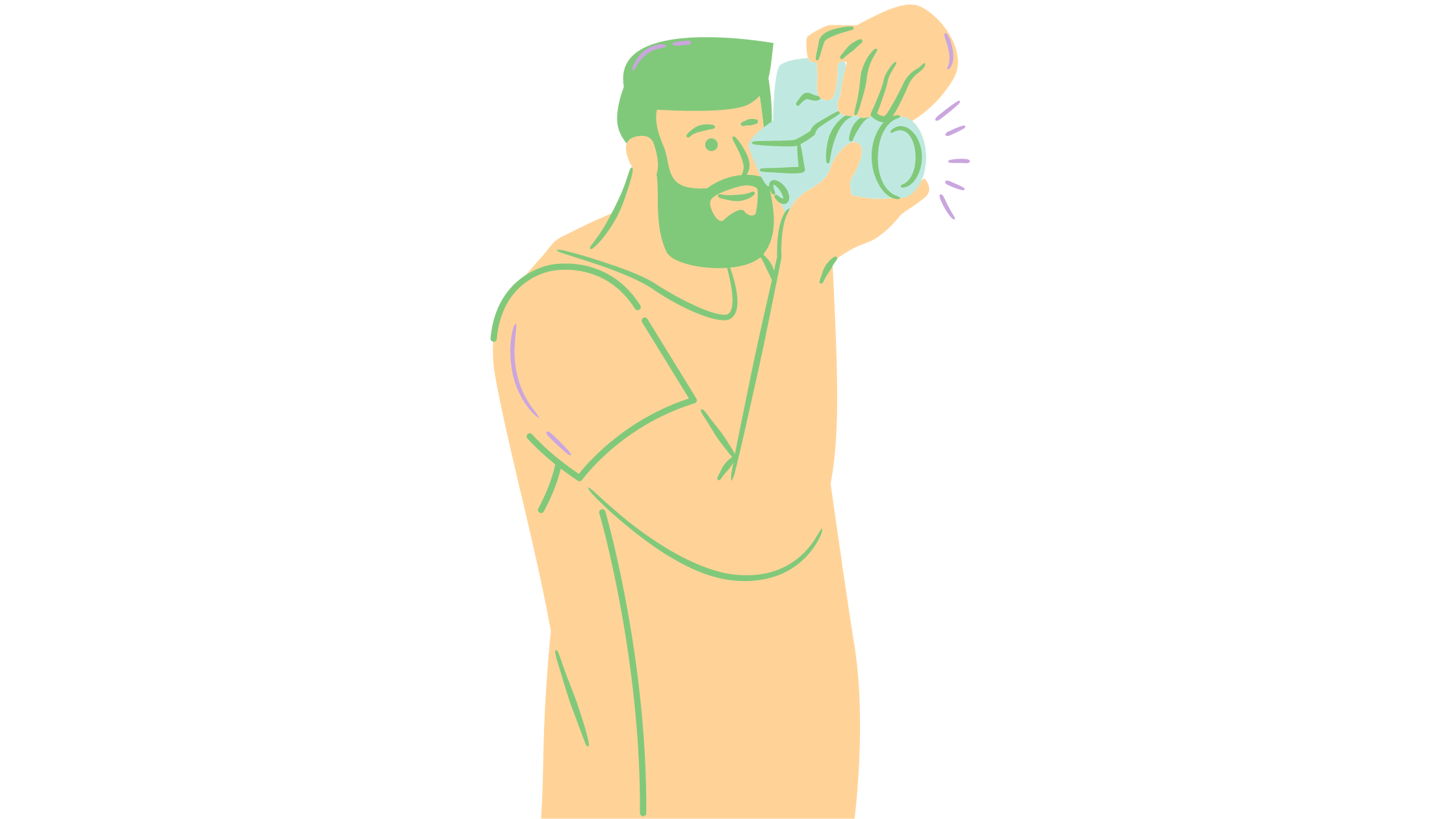
Be thoughtful when taking photos.
Firstly, do not be afraid to ask for permission to take a photo, especially if it is of something that has cultural significance to the locals or embodies a sensitive subject. It is better if we ask, rather than offend. If the answer is no, do not be disrespectful and take a photo anyway. Similarly, be sure to consider what selfies you are taking. Selfies are self-portraits and are not appropriate to take when visiting a place like Auschwitz.
With selfies in mind, if you do own a selfie stick, try to remember that it will not be welcomed everywhere you go. Some countries, museums and other public venues perceive the stick as a weapon. Additionally, keep passers-by in mind when you are allowed to use it!
Follow outfit regulations.
Of course, we are normally allowed to wear what makes us feel comfortable and happy. But, if we would like to visit a venue, then we should follow the dress code and regulations – especially in places of worship or ones that hold a cultural significance.
It would be good to remember that we are visitors.
As mentioned previously, locals are hosting us in their home, so we should consider this when we are travelling around. We might be on holiday, but locals are most likely still working and going about their day to day rituals. Therefore, it would not be fair to presume that they should make space for us, say on public transport if we do not require it or do not need additional assistance.
Learn some of the country’s language basics.
Being able to address someone in their mother tongue, or trying to, makes a great first impression. It can show that you are willing to learn about their culture.
So, what words and phrases class as the basics? I have included a list below, in no particular order of importance:
- Hello or good morning!
- Goodbye!
- Yes.
- No.
- Thank you!
- I am sorry.
- Please can I have [product or order]?
- How much does this cost?
- Where is the [product, attraction or venue]?
- I am [your name].
- My name is [your name].
- What is your name?
- How are you?
- Great / very well. (In response to how are you.)
- Sorry, I do not understand.
- Again? (If a sentence needs repeating.)
- Slowly, please! (If you would like someone to slow down their words for a better understanding of what they are saying.)
Furthermore, greetings also come in the form of physical actions, so it would be beneficial to consider these too.
As most of us already know, air kisses are very common within France and Italy. Other places that use them include Latin America, Portugal, Québec (Canada), Spain and Ukraine. Some regions perform one air kiss others use two. In most countries, they can even depend on your gender. On the other hand, some cultures refrain from using physical contact altogether and identifying their boundaries is crucial. I think it is also important to remember that yours are valid too. If you feel uncomfortable with a greeting that uses contact, keep in mind one that does not, and be mindful of others who are travelling with you that might not feel comfortable addressing this!
Remember to be polite.
You might think that this one sounds obvious, but unfortunately, not everyone can be as well-mannered as you! Ensuring we are courteous while interacting with locals is simple and is the least, we can do as visitors. You will find, in your home country too, that most locals are enthusiastic when helping a friendly tourist!
I do believe that this is especially important for restaurant workers and other serving staff. As someone who worked in retail and the hospitality industry for years, I have first-hand experience with customers who made you feel less than important. It just makes all the difference when we interact with customers who are polite and kind! After all, “A language is an exact reflection of the character and growth of its speakers.” – Cesar Chavez.
Try to learn a culture’s etiquette and adhere to it.
Firstly, how is cultural etiquette defined?
This term denotes the conventional rules or codes of behaviour within a culture; meaning what is deemed acceptable in a society and what is not. Furthermore, it is necessary to try to follow these rules and to try to adjust ourselves to fit in with the traditions of a place and or culture.
Take a conventional rule in Thailand as an example: do not touch someone else’s head!
While it is not great to invade someone else’s space anyway, in Thailand, it is frowned upon to touch someone else’s head, including their hair. The head is the most sacred part of the body in Thai culture, and even playful touching of the head is not exempt.
Moreover, try not to raise your feet above someone else’s head and avoid stepping over people who are at a lower level than you – sitting or sleeping on the ground.
Thai people can be very lenient of etiquette violations by ‘farang’ (foreigners), and I am sure many other people can be too. Despite this, before you visit another country, research about their cultural etiquette if you want to behave even more respectfully, once you are there!
Wear a mask when necessary.
Regardless of whether or not locals are adhering to the policies or laws on wearing a mask in public places, we should be following them! The last thing we want to do is become infected or spread coronavirus when we are on our holidays! It would also be beneficial to research which places will provide hand sanitizer and what their social distancing regulations are.
Thank you for reading this far, I am interested to hear your thoughts, or if you have anything to add.
Stay Globetrotting!
 Globetrotter Gem
One thought on “Tourist Etiquette: Customary Codes to Consider When Travelling”