Tourist Etiquette: Customary Codes to Consider When Travelling

When the UK Foreign and Commonwealth Office (FCO) updated its global advisory against ‘all but essential travel’, exempting destinations that no longer pose an excessively high risk for British travellers, many of us were excited at the opportunity to be jetting off overseas!

Wandering around a new destination, soaking up the sun elsewhere and engaging in a different culture is a delightful and gratifying experience. However, as travellers, we must be able to detect and respect the customary code of the cultures in which we are immersing ourselves. After all, this is the least we can do, since the citizens are essentially hosting us in their home!

Below I have outlined some things for us to consider when we are travelling to another country!

Adhere to sustainable tourism.

What does this mean? 

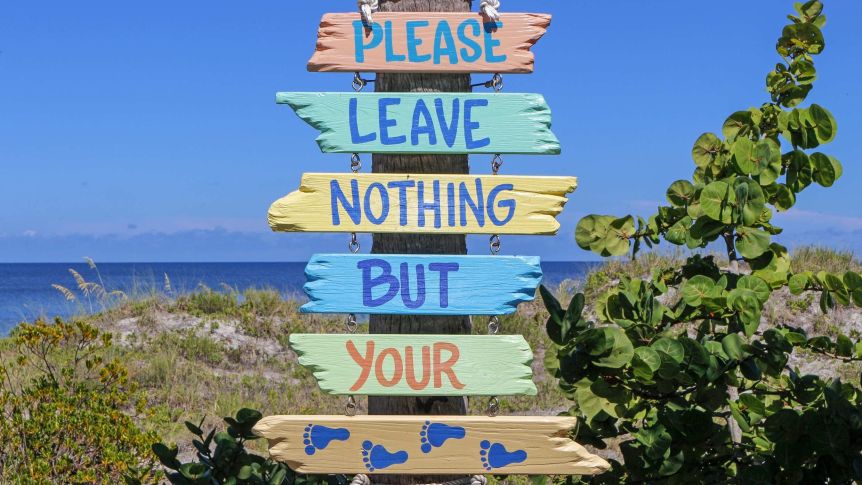
Well, sustainable tourism is the concept of travelling somewhere as a tourist and striving to make a positive impression on the environment, society and the economy of the place you are visiting. So, this means absolutely NO LITTERING. Try to shop sustainably and locally when you can, and be sure to recycle as much as possible!

Now for a bit of shameless promotion; my following blog post will discuss sustainable tourism in more depth, so be sure to take a read!

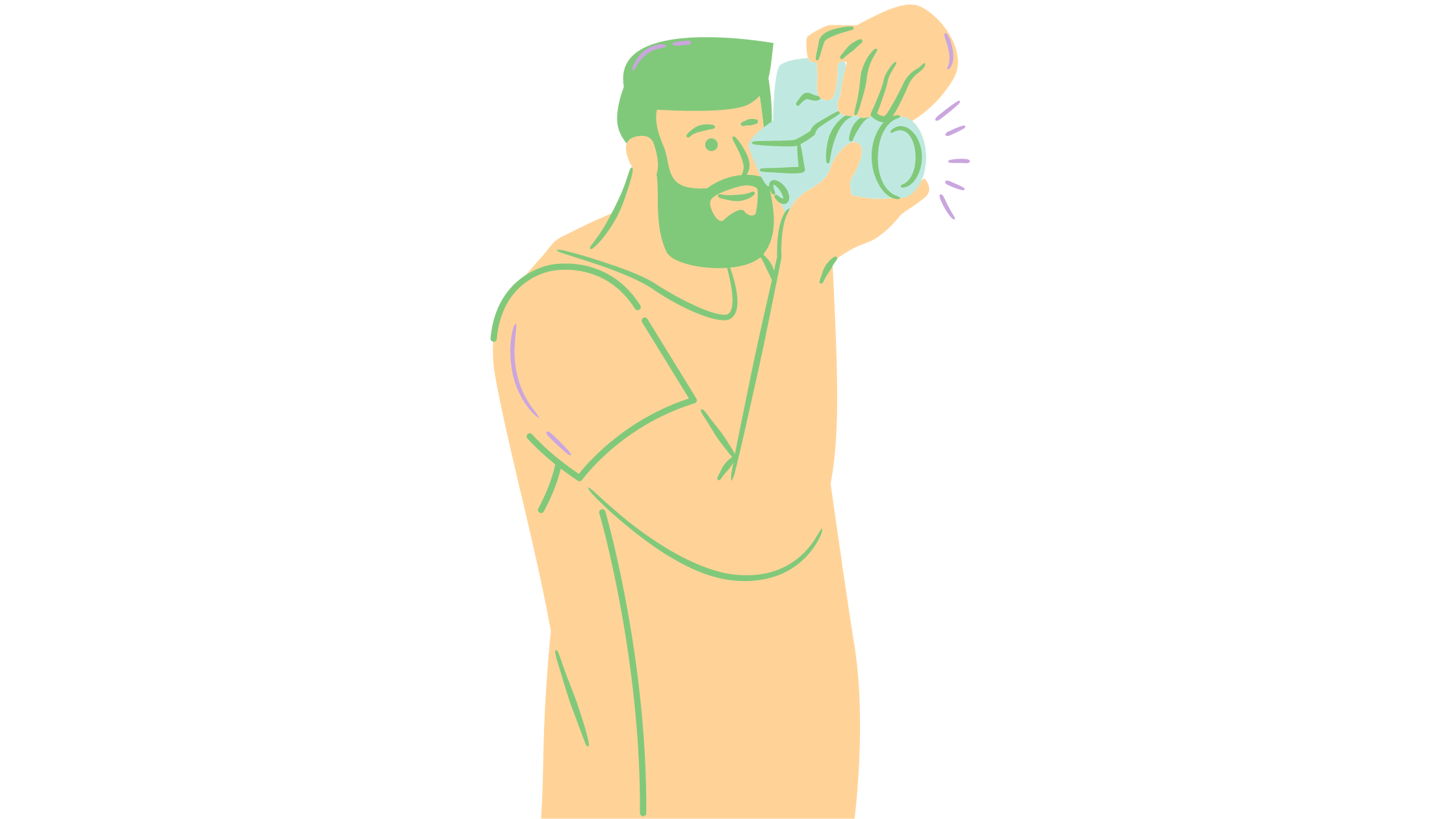
Be thoughtful when taking photos.

Firstly, do not be afraid to ask for permission to take a photo, especially if it is of something that has cultural significance to the locals or embodies a sensitive subject. It is better if we ask, rather than offend. If the answer is no, do not be disrespectful and take a photo anyway. Similarly, be sure to consider what selfies you are taking. Selfies are self-portraits and are not appropriate to take when visiting a place like Auschwitz.

With selfies in mind, if you do own a selfie stick, try to remember that it will not be welcomed everywhere you go. Some countries, museums and other public venues perceive the stick as a weapon. Additionally, keep passers-by in mind when you are allowed to use it!

Follow outfit regulations.

Of course, we are normally allowed to wear what makes us feel comfortable and happy. But, if we would like to visit a venue, then we should follow the dress code and regulations – especially in places of worship or ones that hold a cultural significance. 

It would be good to remember that we are visitors

As mentioned previously, locals are hosting us in their home, so we should consider this when we are travelling around. We might be on holiday, but locals are most likely still working and going about their day to day rituals. Therefore, it would not be fair to presume that they should make space for us, say on public transport if we do not require it or do not need additional assistance. 

Learn some of the country’s language basics.

Being able to address someone in their mother tongue, or trying to, makes a great first impression. It can show that you are willing to learn about their culture. 

So, what words and phrases class as the basics? I have included a list below, in no particular order of importance:

  • Hello or good morning!
  • Goodbye!
  • Yes.
  • No.
  • Thank you!
  • I am sorry.
  • Please can I have [product or order]?
  • How much does this cost?
  • Where is the [product, attraction or venue]?
  • I am [your name].
  • My name is [your name].
  • What is your name?
  • How are you?
  • Great / very well. (In response to how are you.)
  • Sorry, I do not understand.
  • Again? (If a sentence needs repeating.)
  • Slowly, please! (If you would like someone to slow down their words for a better understanding of what they are saying.)

Furthermore, greetings also come in the form of physical actions, so it would be beneficial to consider these too. 

As most of us already know, air kisses are very common within France and Italy. Other places that use them include Latin America, Portugal, Québec (Canada), Spain and Ukraine. Some regions perform one air kiss others use two. In most countries, they can even depend on your gender. On the other hand, some cultures refrain from using physical contact altogether and identifying their boundaries is crucial. I think it is also important to remember that yours are valid too. If you feel uncomfortable with a greeting that uses contact, keep in mind one that does not, and be mindful of others who are travelling with you that might not feel comfortable addressing this!

Remember to be polite

You might think that this one sounds obvious, but unfortunately, not everyone can be as well-mannered as you! Ensuring we are courteous while interacting with locals is simple and is the least, we can do as visitors. You will find, in your home country too, that most locals are enthusiastic when helping a friendly tourist!

I do believe that this is especially important for restaurant workers and other serving staff. As someone who worked in retail and the hospitality industry for years, I have first-hand experience with customers who made you feel less than important. It just makes all the difference when we interact with customers who are polite and kind! After all, “A language is an exact reflection of the character and growth of its speakers.” – Cesar Chavez.

Try to learn a culture’s etiquette and adhere to it.

Firstly, how is cultural etiquette defined?

This term denotes the conventional rules or codes of behaviour within a culture; meaning what is deemed acceptable in a society and what is not. Furthermore, it is necessary to try to follow these rules and to try to adjust ourselves to fit in with the traditions of a place and or culture.  

Take a conventional rule in Thailand as an example: do not touch someone else’s head! 

While it is not great to invade someone else’s space anyway, in Thailand, it is frowned upon to touch someone else’s head, including their hair. The head is the most sacred part of the body in Thai culture, and even playful touching of the head is not exempt.

Moreover, try not to raise your feet above someone else’s head and avoid stepping over people who are at a lower level than you – sitting or sleeping on the ground.

Thai people can be very lenient of etiquette violations by ‘farang’ (foreigners), and I am sure many other people can be too. Despite this, before you visit another country, research about their cultural etiquette if you want to behave even more respectfully, once you are there!

Wear a mask when necessary.

Regardless of whether or not locals are adhering to the policies or laws on wearing a mask in public places, we should be following them! The last thing we want to do is become infected or spread coronavirus when we are on our holidays! It would also be beneficial to research which places will provide hand sanitizer and what their social distancing regulations are.

Thank you for reading this far, I am interested to hear your thoughts, or if you have anything to add.

Stay Globetrotting!
Steps to Deal with Anxiety During the Lifting of Lockdown

Since the Government announced their lockdown plans to combat the spreading of the coronavirus, most of us patiently stayed within our homes until we were informed otherwise. This measure was, of course, crucial to ensure we were helping to try to protect our most vulnerable citizens. 

However, being cooped up indoors, especially without access to a garden, has come with its own set of challenges. Now, combine that with virus-related broadcasts that have dominated the news and social media. Naturally, these factors have had a toll on our mental well-being. 

Therefore, the announcement to ease lockdown restrictions last Saturday has brought reassurance and happiness to many. The chance to see our loved ones after so long and get back to some normality will help many with their mental health issues.

However, I think it is important to remember that not everyone will share these optimistic views. Unfortunately, the easing of lockdown is generating more anxieties in many people. In particular, there are some apprehensions towards how the Government and the public are handling the social distancing measures. 

Moreover, when experiencing lows within our mental well-being, it is necessary to try to dedicate some hours within the week to maintain our health. Sometimes, the best way to do this is to give yourself a well-deserved break and focus solely on you!

Self-love and care are necessary. However, putting yourself first is not always easy. A lot of us struggle with this. But, even dedicating 15 minutes to your day to do so will help.

Below, I have written down a few ways to help you control your worries and be kind to yourself. However, I think it is important to mention that I am not a mental health specialist. The following suggestions are simply things that have worked for me! 

Consult a doctor, not google

I think this is probably one of the most important ones: do not hire google as your doctor if you are feeling ill or displaying any symptoms!

Most of us have been there and know that googling your symptoms results in an incorrect diagnosis, which only increases the anxiety.  Instead, get onto the NHS website, or whatever is equivalent to where you are situated. If you need advice or medical treatment quickly, and cannot wait for an appointment, you can call 111.

Cut out coffee or decrease intake

If you are like me and tend to get the jitters and anxiety from too much coffee, then the best option would be to limit the amount you take. Or cut it out altogether and switch to decaffeinated beverages. Consumption speeds up our bodily functions and Susan Bowling, a psychologist, states that:

“Caffeine is often bad news for people with anxiety. The natural effects of caffeine stimulate a host of sensations, such as your heart beating faster, your body heating up, your breathing rate increasing – all things that mimic anxiety. Psychologically, it is difficult for your mind to recognize that this is not anxiety because it feels the same.”

Common signs of caffeine-induced anxiety include; headaches, insomnia, nervousness, restlessness, ringing in the ears and sweating.  

Exercise if you can

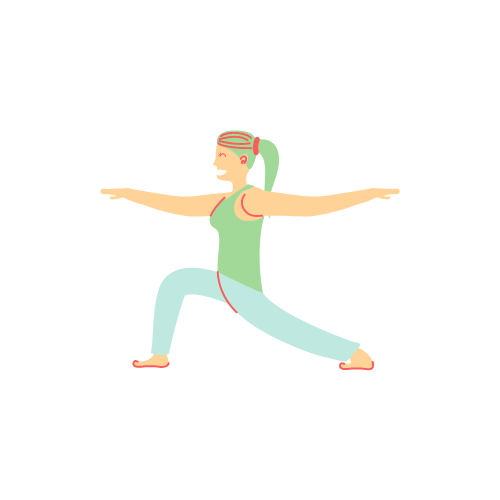
Exercising does wonders for your physical and mental health. Whether you can train for an hour or 15 minutes, find an exercise that is right for you and give it a try, if you are feeling up to it.

Even going for a short walk can have the ability to improve your mood. 

If you are feeling a little bit anxious, any exercise will enable you to get the adrenaline out of your system – channelling the panic elsewhere. You can even do simple ones that do not require a large amount of space.

Give worries the courtroom treatment

If you have a persistent and recurring thought during this time (which is normal), confront it with a rational counter-statement.

For example, if you have a recurring thought about the effects of the virus, counter it with factual statements – such as the survival rate of people who catch it.

Give yourself love

As the saying goes, treat yourself! Now, this could be anything that will provide you with joy (in the words of Marie Kondo), it does not mean you have to purchase something new.

You can get your chef on and cook yourself something delicious, draw a bath, read a book or listen to music. Whatever is best for you!

Slot out time in the day, every day, to genuinely do something that makes you happy or relaxed.

Have a news detox

At the moment, the need to read the latest updates can become an urge. Which, in turn, can fuel anxiety.

Therefore, you could assign yourself a limit and time of day to focus on the health-related news. Then, do not look at it until the next day!

If you do worry about missing something important, you could ask someone you trust to contact you if there is an emergency.

Inhale and exhale

From the subheading, you have probably guessed the next suggestion is breathing exercises. That is correct! Performing grounding exercises can help you to destress and remain relaxed, while you continue to enjoy your day working or baking banana bread!

Firstly, pick an exercise. These can include stretching or yoga exercises, which you can find from YouTube. 

Secondly, find yourself a calming and safe space where you can devote this time to you, and you only.

Thirdly, lay down a yoga mat and put on some calming music that reminds you of your favourite location or holiday. You can even use some lovely smelling essential oils to help create calming aromas.

Make a playlist

Whether it is a calming or an angry playlist, making one to listen to by yourself can help you to release your emotions, in a safe space.

Rely on the five sense

This hack can bring you back to the present by relying on the five senses; sight, smell, sound, taste and touch.

If you are suffering from anxiety, look around at your surroundings and identify five things you can see. Then, do the same for the other senses.

Remember that anxious states will pass

It is important to remember that states of anxiousness will end, even though they feel like they last forever. 

We tend to jump to worst-case scenarios, which do not usually reflect the reality of the situation. It is a hard thing to do, but trying is the first step! 

Take a breath of fresh air

Breathing in fresh air is so important. If you are not feeling up to exercising or going on a walk, try sitting out in the garden or open your windows in your accommodation. 

Talk to a mental health expert

While talking to family members about your worries can provide comfort and reassurance for many of us, if they are not an expert on mental health struggles, it could benefit you to talk to a specialist also!

Samaritans is a brilliant registered charity that aims to provide emotional support to anyone who is struggling to cope, are in emotional distress or at risk of suicide. (The service is open for residents in the UK and Ireland.)

On their website, they state: “If you need someone to talk to, we listen. We will not judge or tell you what to do.”

Their contact information is as follows:

  • Telephone: 116 123
  • Email: jo@samaritans.org

 Use a pen and paper

Write down what is stressing you and why. Then, burn it! Not only is angry scribbling a great way to help you destress, but it is also fun. I find it therapeutic!

Watch something funny

Watch something you know you will laugh at, as it is difficult to stay stressed when you are laughing!

Wear a mask and bring hand sanitizer!

Carrying these items can help to put your mind at ease when you are travelling or going shopping. Additionally, GOV.UK states that it is the law that you must wear a face covering when travelling in England on a:

  • bus or coach
  • train or tram
  • ferry or hovercraft or other vessel
  • aircraft
  • cable car

If you do not wear a face covering you will be breaking the law and could be fined £100, or £50 if you pay the fine within 14 days.

Additionally, the law will make it mandatory to wear a face covering in shops and supermarkets in England from July 24 2020. (A face covering is a covering of any type which covers your nose and mouth.)

Lastly, while everyone is worrying and experiencing similar consequences of this public health crisis, it is crucial to remember to be kind to yourself, to those around you and to try to remain calm and positive when you are out.

I hope you are all keeping safe and well!

Stay Globetrotting!

(Thank you to my lovely friends who have kindly suggested a few steps to me!)

Globetrotter Gem: An Introduction

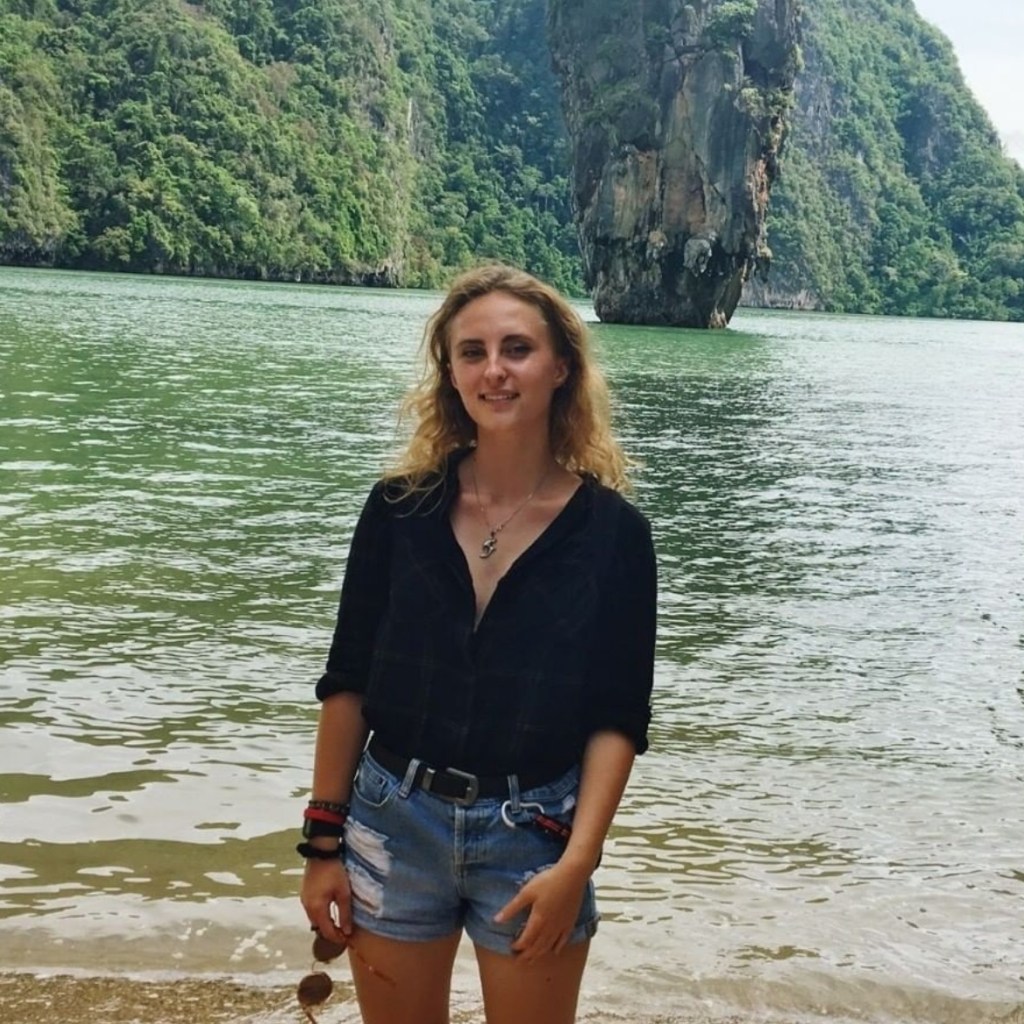
Globetrotter Gem pictured in front of Ko Tapu, July 2016

Are you like me and many other wandering souls of the world, desperate to be on the move and experiencing life outside our hometown?

Left with the urgent desire to embark on a new journey after each destination we visit. Longing to feel the warmth or chill of another country, to plant our feet into the earth as if we are setting down roots. But never for too long. Eager to dive into pools of emerald water or trek up pathways to be nearer to the clouds. That’s us.

Or do you prefer to indulge in the charm of a vibrant city, soaking up the sounds of excited bystanders? Perhaps you are drawn to the music spilling out of restaurants and bars, the toll of church bells and the transport that permeates the city.

Either way, travel is an essential part of life that enables us to appreciate one another’s culture, cuisine and surroundings.

Solo travel, whether it is for a weekend away or months, particularly encourages self-growth and an appreciation for oneself that you might not have expected. For me, although I always considered myself to be fiercely individualistic, my first solo adventure provided me with new ways to explore my independence.

This decision to travel solo came from seeing an opportunity to volunteer with elephants and visit the ‘James Bond Island’ in Phuket – following in the footsteps of Roger Moore. I planned this trip for a few months, before booking my flights to Thailand. Not long after my 19th birthday, I was off to Bangkok and spent several weeks allowing myself to savour every moment and push aside any anxieties.

The adventure was so momentous that I am still discussing it now, almost four years later. As people say, you never forget your first!

So, we come onto the reason behind this blog. I wanted to create a space where I could share stories of solo travelling from myself, along with others too. It will feature interviews, destination highlights, photographs, itineraries, reviews and advice on different aspects of travel.

For example, what steps to take if a foreign cash machine swallows your bank card when you are out of cash. As you probably guessed, this did happen to me. Spoiler alert, the lock to the ATM was on an entirely different island!

With this content in mind, I hope this blog will help to encourage those of you with solo travel insecurities to step towards your fears and jump into your adventures!

Additionally, there is another reason I wanted to create this blog. Whilst I had the privilege to experience this trip and others too, it made me think about how I behaved and the decisions I made as a tourist. In particular, how I was incorporating ethical travel and sustainable tourism.

Ethical travel is about being mindful when you are on your adventures or trips. It means being aware of your impact as a traveller when you explore the wonders of the earth – taking into consideration the environment, the wildlife, the residents, and their economy too.

Sustainable tourism is very similar, if not the same. It focuses on ways to maintain tourism on a long-term basis, without causing lasting damage to the environment and the cultures that people have created. It means seeing the value within our natural resources and preserving them by re-focusing how we act as tourists.

Therefore, this blog will also discuss ways to adopt a more sustainable approach to tourism. Now, I understand that it is sometimes difficult to be eco-friendly when you are abroad. You don’t always know where the recycling bins are or the best place to fill up your water bottle. But hopefully, my suggestions will give you an insight into how to be an eco-friendly warrior during your travels!

If you have read this far, thank you for reading my introduction! Now it’s your turn. I would love to hear any comments, feedback or content suggestions that you have. You can do this by filling in the form on the ‘About’ page. Alternatively, you can drop me an email or message me on social media!

Enjoy the rest of the blog, stay Globetrotting!

(After lockdown of course.)

Design a site like this with WordPress.com
Get started